

Buy Category A Driving License
Category A driving licenses is a non-commercial driver's permit. It permits you to drive private vehicles with up to nine seats and some cargo vehicles.
It's also the first step to a commercial driver's license, which requires further training and tests. You can also add endorsements like H N, P, and H to your driver's licence.
Class A License
Category A is one of the main categories of Commercial Driver's Licenses. This allows truck drivers to drive combination vehicles that weigh 26,001 pounds or over. This includes large tractor-trailer combination tanker vehicles, as well as livestock carriers. Drivers with Class A CDLs may also obtain several different endorsements that can expand their career options.
Class A trucking jobs provide drivers competitive pay and are among the most lucrative jobs on the market. Drivers who hold the CDL Class A enjoy many benefits, including free truck rentals, health insurance, and retirement plans. These benefits are backed by high standards and a rigorous test procedure.
Anyone who wants to become Class A truck drivers must have a solid driving record, pass an exam and be at least 18 years old. (21 in the case of transporting hazardous material or driving interstate). Class A truck drivers also need to be able to complete a course of training at an approved school and pass the Commercial Driver's License exam.
Truckers with a Class A commercial license can operate vehicles with a gross weight rating (GVWR) or up to 26,001 pounds. This includes dump trucks, busses and some delivery trucks. Truckers who have Class B CDLs are able to get additional endorsements that can enhance their chances of employment.
The endorsement H allows truckers to operate vehicles that carry hazardous materials requiring special placards or handing. The N endorsement allows drivers to operate vehicles with a tank for transporting gasses or liquids. Additionally, the P endorsement allows drivers to operate passenger vehicles that carry 16 or more passengers (plus the driver). With the proper limitations Class B CDL holders are able to drive Class A and Class C vehicles as well.
Class B License
You have several choices to consider if you're considering a career as a commercial truck driver, or in the case of an enterprise that relies on the transportation of freight. The right CDL is vital to your professional prospects and earning potential. Different CDL classes also allow drivers to drive various kinds of vehicles.
Class B CDL licenses permit drivers to operate a single vehicle that weighs more than 26001 pounds and a trailer that weighs less than 10,000 pounds. This includes straight trucks, buses, and dump trucks or box trucks that tow smaller trailers. Class B CDL holders also can earn additional CDL endorsements, which are "extra permissions" to drive certain types of vehicles and transport hazmat materials.
The major difference between the Class A and Class B CDL is the amount of training and testing required to be able to get the certificates. The process to obtain a Class A CDL typically requires more instruction in the classroom and hands-on driving experience, in addition to passing an additional rigorous test of skills. Furthermore, a Class A CDL is restricted to operating complex, large vehicles that are difficult to maneuver on roads.
If you're thinking of getting a CDL, consider obtaining an initial Class B license. This will help you begin your career on a solid footing and give you the necessary experience to eventually advance to a Class A CDL. For more information about CDL training options, contact Sunny Truck Driving School today! We are a trusted New York truck driving school that offers flexible schedules and affordable rates for our comprehensive program. We also offer free membership in the Drivers Legal Plan for our truck driving students to help them with any legal issues they might face on the road.
Class C License
A class C licence is a commercial driving license that permits drivers to drive vehicles that have a gross vehicle rating of at least 26,001 pounds, or a combination of a truck and trailer that weighs over 10,000 pounds. This includes vehicles like delivery vans, passenger vans, and small hazmat vehicle. This could also include agricultural vehicle types like tractor-trailers, and Hay haulers.
Class C CDLs are also subject to state and federal requirements. This includes passing medical exams, and completing the requirements for age and driving experience. Typically, you need to have been driving for a minimum of two years and be 18 to get your class C license. In some states you may be required to pass an alcohol and drugs test or an employment screening.
You must also pass a written exam and a driving test to obtain your class C license. The driving test is usually an individual test with a driving instructor. The written exam is different from state to state, but usually covers subjects such as driving rules and regulations as well as air brakes and other fundamental knowledge of the trucking industry. You can prepare for your driving and written exams by reading the trucking guide and taking online practice test.
After you have successfully passed your class C license tests, you can then apply for the appropriate endorsements. The most popular endorsements are H (hazardous material), X(double and triple trailers), M (tank vehicles) and N (school bus). To be eligible for a H, X or endorsement, you need to be able to pass additional knowledge and driving skills tests for those specific classes of vehicles. For more information about the process of endorsement, refer to your trucking manual or visit the Austroads website.
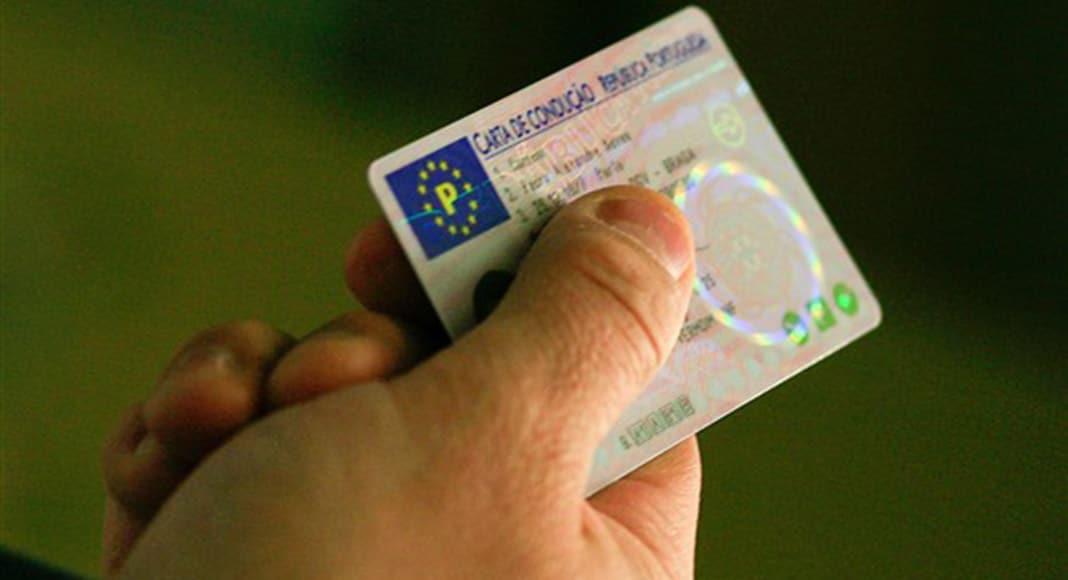
Class D License
Getting behind the wheel of an automobile is more than just passing an exam. To operate certain types of vehicles, drivers have to be of a certain age, pass medical exams and obtain a specific type of commercial license. These various classes are referred to as CDLs and they cover a variety of vehicles and weight categories. Anyone who plans to be a professional driver must know the differences between these licenses.
A class D driving permit grants personal driving privileges on regular vehicles with a Gross Vehicle Weight Rating (GVWR) of 26,000 pounds or less. This includes most passenger vehicles and trucks. Drivers with this license may also tow another car when the weight rating of the two vehicles is 26,000 pounds or less.
Drivers with this kind of license are also able to operate limousines, taxis, and other livery vehicles for hire that can carry 14 passengers or less for a fee. This license is also able to be used to operate school buses or other student transportation vehicles. This license is available in two versions which are standard and enhanced. In Comprar carta de condução categoria B to the standard version, the enhanced license is REAL ID compliant and can be used to board domestic flights as well as access federal facilities without a passport.
Although the Class D driving license is the simplest of the commercial driving licenses, it requires a written test and a road test. This type of license is only available to those who fulfill the requirements of federal and state law that include a clean driving record, possessing a valid medical certification and being at 18 years old or older (21 for driving on interstates or carrying hazardous materials). Anyone who wants to upgrade their license can achieve this by acquiring a Class E endorsement, which can be added to an ordinary or an enhanced license.
Class E License
The driver's license class E is among the most specialized classes of licences available. The class E driving license permits drivers to operate vehicles for commercial and private purposes, such as taxis and limousines. The license can be a standard driver's license in Florida or a special license for drivers who operate in vehicle-for-hire services in New York.
A class E driver's license allows them to operate all single-unit vehicles, including buses. In certain states, this includes passenger vans as well as small HAZMAT trucks. Certain states require a class E driver's license to operate vehicles that transport hazardous materials or more than 16 passengers, so be certain to contact your state's Department of Motor Vehicles (DMV) for specific requirements.
Licenses can be upgraded with additional endorsements that indicate the highest level of expertise and increased responsibility. The most commonly used are listed below.
Getting the right license can be a difficult task, especially for teenagers eager to drive. Knowing what the different categories are can assist them in making the right decisions.
You must satisfy all state and federal requirements, whether you are looking to purchase a category E license or just starting your journey. You must have an impeccable driving record and pass a medical exam and be at least 18 years old age (21 if you are transporting dangerous materials or traveling across the state). You could be fined or even arrested, in the event that you don't meet these requirements. Additionally, certain states require a driving test and a CDL exam to obtain an E license category.